Judge a book by its cover, or maybe not
I have always been passionate about book covers. I believe that every single book has a unique signature that is highlighted by the design of its jacket. The book cover not only is an extremely important aspect in the marketing process of a book, but it also plays a great role in the story. Some designers encapsulate the plot into their design, others go for bringing about mystery in the way they picture the world, the protagonists or the narrative of the book. In certain cases, covers remind me of a scripted map full of details in which your imagination gets to play around hidden enigma. It has to be intriguing enough to make readers discover the meaning of the cover by doing one thing- reading the book.
The book cover below triggered in me many questions. Ned Vizini, It’s kind of a funny story

There are famous authors whose books are easily spot on the shelves of bookstores because the pattern, the style, shape, the font of the title and the author of their covers are consistent. Take a look at Benjamin Alire Saenz books, just a glimpse and you know who the author is even though the stories are not intertwined or part of a sequel.


When a book is translated into different languages, the design of the cover adapts to the culture. It is interesting to see how countries use their imagination to impregnate with their culture and convey part of a story through their design. Junot Diaz, This is how you lose her

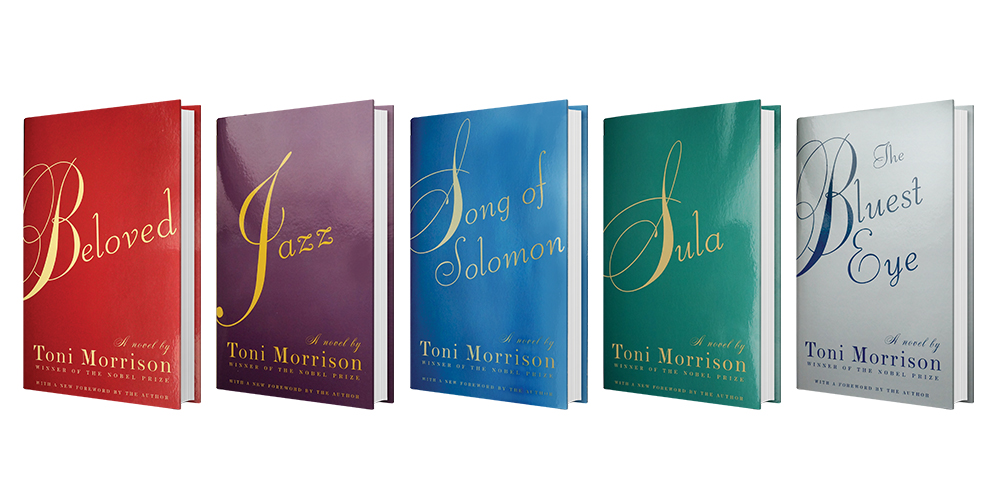
Awarded books are sometimes re printed with totally new covers that is not necessarily meaningful but whose patterns are so consistent that having the whole collection looks pretty on a shelve. Toni Morrisson ‘s most acclamed books
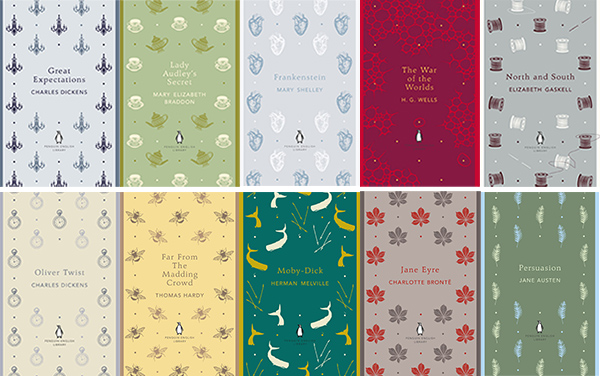
There are instances where the book cover does not follow the author’s particular signature but that of the publishing house. Penguin English library has published an entire collection of the English classic books. From Jane Eyre’s books to Mary Shelley’s
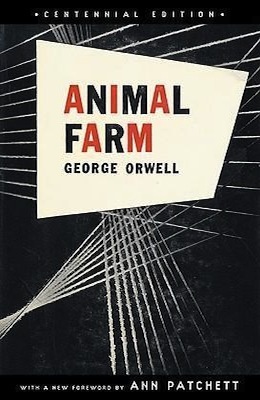
Don’t judge a book by its cover! True but I usually get angry when I read a wonderful and intelligent book that has an unforgivable bad cover. I know that we need to overcome our shallow side but sometimes it is beyond us. I wonder how many high quality books out there have slipped through our fingers because of their ugly covers. I tend to hold the publishing house responsible for this. When they sign a writer up, they engage themselves to represent, promote and sell the work of their clients effectively. By not considering the importance of covers in the marketing strategy, the publisher does not do justice to the work of their writers. Appearances count! Here below is an example of a beautifully written book with a smart story for which the publisher neglected to dedicate time and money into the design of the cover. Pity! George Orwell, Animal Farm
Now you will not look at a book cover the same way.
Written 22/04/2018
Blog and Copyright
In a conversation about how writers get irritated by changes made by editors in the final publication stage, my journalist lecturer said “this is one of the problems writers have to grapple with – editors do tend to change headlines and even stories. They are responsible for their medium. And their decision is final.”
When writers produce a work for publication or for use in electronic sites, they have to make sure it is a good fit for the magazine, newspaper or site in order to prevent their pieces from ending up in the bin. Even if getting published means their work is appreciated, writers are left with the feeling that they are not totally free to write the way they want. This does not only concern writers but artists such as photographers or designers. The ultimate desire of these artists is to make a living out of their art or received recognition. And for that, they may need to go through zany demands. No wonder why lots of artists and writers turn to blog. They can write whatever they want, post their art, give their opinion about anything that is going on in the media or even create their own tabloid. Nobody is going to ask them to make changes or reject their work because it does not suit. At first, blogs look like a very good deal for those who want to do things on their own terms. But what does blog really entails?
New bloggers usually start a blog to mark their presence in a community and to show to the world that their art is worth to be out there. Creating a blog is not complicated. At least that’s what claims popular softwares such as WordPress, Blogger and, Tumblr that offer publishing and blogging platforms. But what really attracts experimenters is that most of these platforms offer free hosting and support and free features. However, once the blog is created, the first challenges hit the new optimistic bloggers very hard. Indeed blogging requires time. Lots of it! Writing skills is another challenge that must be considered. Bloggers need to be able to write proper and attention-grabbing posts. Excellent writing skills give credibility to whatever is posted online. Consistency is important too to keep followers up to date. These aspects are only the tip of the iceberg. The list of aspects that requires attention is exhaustive and I am sure there are tons of articles on how to make a blog successful out there.
The question about copyright is extremely important. Bloggers sometimes are not knowledgeable enough about Copyright, whether they want to allow their work to be copied or protect it? Nonetheless they agree on one point. They don’t want users to reproduce, republish or redistribute their work without permission. As I mentioned on top of the article, blogging requires a lot of work, so we can imagine the frustration of those who see their content stolen and copied without any credits. Some bloggers do not know much about penalties to Copyright infringement, Copyright laws within the concerned country’s jurisdiction, and about tools to effectively find and remove stolen content and images such as Google alert Copyscat, Cloudflare or Incapsula.
These below are other ways to protect your content.
Disable text selection
Google Authorship
DMCA Complaint
Plagiarism and image checkers
Blogging is, in fact not that easy. It requires IT skills, communication and writing skills, knowledge in marketing, Copyrights, laws and legal actions in case of infringement. Even though bloggers can develop many skills and explore their creativity deeper, the work dedicated for their blog can be daunting that is why being a self-motivated learner is the key for a successful blog.
Written 04/04/2018
From a manuscript to the book. A glimpse behind the veil
I would like to deal with the things that contribute to making a book without mentioning the author. I leave details about the talented writers behind, and instead, I want to focus on some of those who play an important role in the process of making a book such as the illustrator/designer whose job is to get readers attentions with a striking jacket; the editor that makes the work of an author as clear as possible; the translator who rewrites books in a foreign language, so books gets distributed internationally; the VP production who covers all aspects of production – from estimating, scheduling, and managing content updates to both the print and digital formats; the publicist that reaches out the readers; the marketer that targets particular audience and advertises the book on various media outlets including TV, newspaper, film, events, independent book stores and even bloggers. In this article I will cover three of the key roles in the process of making a book.
In the visual world we are living in, the idiom “do not judge a book by its cover” is hard to apply. It is naïve to think that the first impression we get of a book does not count. The job of a designer is to make a book look appealing in order to attract readers. They have to be able to encapsulate subtly the story into a book cover. In short, a jacket is part of the narrative. And, it always asks for your attention by making you wonder what it means. If it is enticing or intriguing enough for you to open the book, then the artwork of the designer is a success. The fate of the book then lies elsewhere.
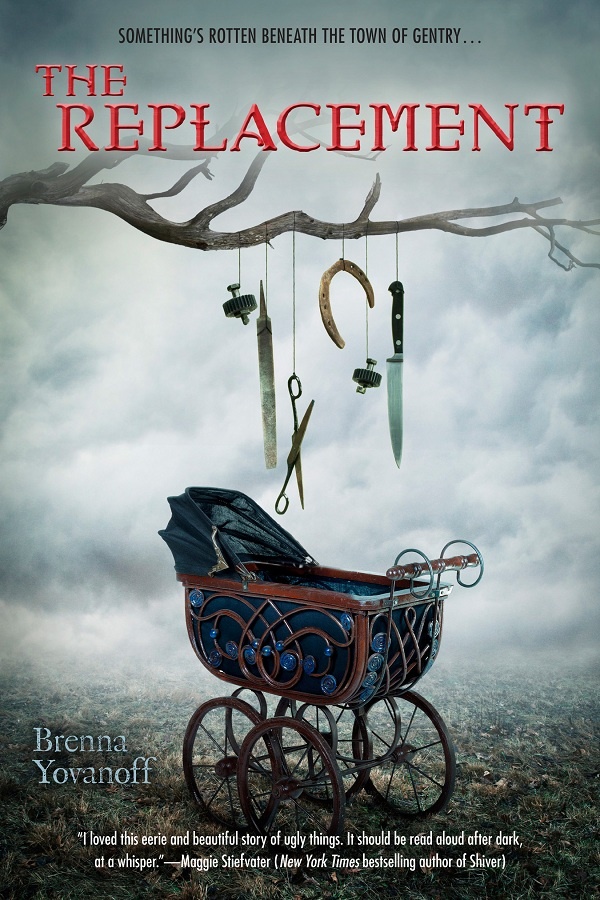
Let me show a couple of book covers that triggered many questions in me.
Why are there steel knife and other steel object hanging over a crib? The replacement by Brenna Yvanoff
Why is a piano illustrated as a town? Moshi Moshi by Banana Yoshimoto
Why is the symbolic heart represented with colored bricks? This Is How You Lose Her by Junot Díaz


Penguin English Publish Library published a new edition of the classic books. At first glance one may think that it is minimalist, cute and that there is nothing special about it, but if you take a deeper look, you find out that these small details are very meaningful to the story.
The other person that does a fascinating job in the book process is the translator. I spared you of the complicated job of a writer, however, the one in charge of the translation is neither less complicated, nor less creative. Being bilingual is not enough, a translator must shape perfectly the original story for a foreign audience keeping the voice of the author in mind and minimizing the damage from “the lost in translation” phenomenon. We forget to acknowledge that the translated words, sentences, phrases and idioms are not those of the authors but the choices picked up by translators to represent the author.
As a French person I like the game of reading French books and their English translated version for the only purpose of accessing the accuracy of the translation. Sometimes I cringe and roll my eyes when I spot an over the top translation that hurts badly the original work. A good translation should do justice to the book. It is easy to notice when there is a lack of research on the translator’s part. There is a poor understanding of the culture, atmosphere, feel or ambience, and, as a result of it, the meaning suffers tremendously. I have read challenging books that require me to research to fully understand what the author conveys. I believe the relationship between the authors and the translator is a key in the process of translating. When you understand that reading a book is challenging, you understand the difficult job of a translator. Knowing how to read and spell does not mean you know how to properly read, in particular a foreign book. The book “How to read a book by Adler and Van Doren” helped me improve my reading experience.
The last role in making a book a success or not that I want to talk about is the one of the reviewers. They can be bloggers, journalists or simple bibliophiles. They have a strong power in the fate of a book, especially, if they amassed an extensive network of followers. They are the judges who either send you to jail or set you free. Salers, publicists and marketers work in close relationship with those that can spread a good word about a book that has been published. I read somewhere that reviewing is perceived as a favor. Is this perception true? Publisher may send out to reviewers manuscript knowing that some reviewers do have other motivations. For instance, being paid for their time or receiving non-financial rewards and publicity for their work.
Let us keep in mind that the publishing industry is a business. The process of making a book is costly and it is not a surprise that publishers want a return on their investment. It takes up to one year to publish a book. When you read a book, try not to overlook those who participated in it.
written 27/03/2018
 Crazy in Books